
Endovenous Radio Frequency Ablation
A minimally invasive procedure used to treat venous reflux by closing diseased veins.
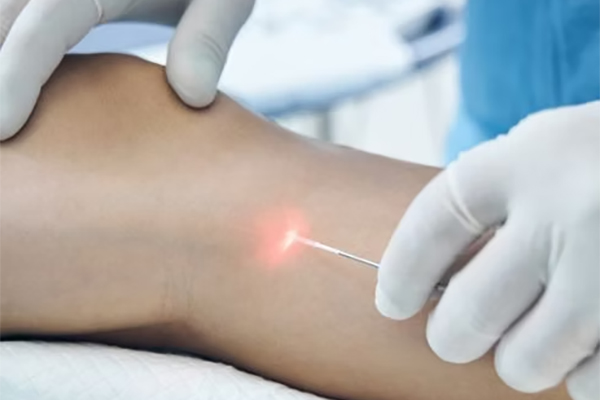
Endovenous Radio Frequency Ablation (RFA) is a minimally invasive procedure used to treat venous insufficiency by applying controlled thermal energy to the wall of a diseased vein. The heat causes the vein to close and eventually be absorbed by the surrounding tissue, redirecting blood flow through healthier veins in the area.
What Is Endovenous Radio Frequency Ablation?
Radio Frequency Ablation uses radiofrequency energy delivered through a catheter inserted directly into the affected vein under ultrasound guidance. The catheter generates heat along the length of the vein, causing the vein wall to contract and close. Over time, the closed vein is naturally reabsorbed by the body.
Like Endovenous Laser Ablation, RFA targets the underlying cause of varicose veins rather than simply addressing their appearance. The choice between RFA and other ablation techniques is based on your individual anatomy, the size and location of the affected veins, and the findings from your ultrasound assessment.
How Does Endovenous Radio Frequency Ablation Work?
The procedure begins with ultrasound imaging to map the affected vein. A local anaesthetic is administered to numb the area, and a small incision is made to allow the catheter to be introduced into the vein. The catheter is advanced to the appropriate position under continuous ultrasound guidance.
Radiofrequency energy is then delivered in controlled segments as the catheter is slowly withdrawn. The heat causes the vein to collapse and seal. Once the procedure is complete, the incision site is dressed, and compression is applied.
When Might This Treatment Be Recommended?
Endovenous Radio Frequency Ablation may be recommended for patients with:
- Venous reflux confirmed on duplex Doppler ultrasound
- Symptomatic varicose veins causing aching, heaviness, or swelling
- Skin changes associated with chronic venous insufficiency
- Conditions that may progress to more serious complications if left untreated
In some cases, patients with advanced venous disease may also require treatment for venous ulcers alongside or following ablation therapy.
What Are The Benefits Of Endovenous Radio Frequency Ablation?
RFA is widely regarded as an effective and well-tolerated treatment for venous insufficiency. Key benefits include:
- Performed under local anaesthetic, avoiding the need for general anaesthesia
- Minimally invasive with no large incisions required
- Typically completed within approximately 30 to 45 minutes
- Outpatient procedure — no overnight hospital stay required
- Patients are generally able to resume light activity the same day
All treatment recommendations are based on a thorough assessment of your individual condition and ultrasound findings.
What Can You Expect At Your Consultation?
Your initial consultation will involve a detailed discussion of your symptoms and medical history, a physical examination, and a comprehensive duplex Doppler ultrasound study performed by a registered sonographer. The results of this assessment will guide the treatment plan. You will be fully informed of all options available to you, and any questions will be addressed before any treatment is undertaken.
Arrange An Assessment
If you are experiencing symptoms that may be related to venous insufficiency, we encourage you to contact us. Book a Consultation with Vein Solutions South Africa to arrange your assessment.
Explore Your Treatment Options
Contact Vein Solutions South Africa to arrange an assessment.
Book a Consultation